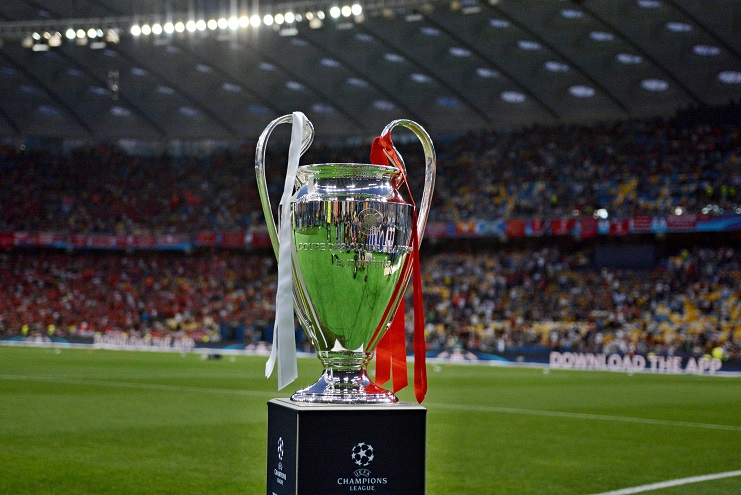
Commercial broadcaster RTL has successfully extended its rights deal in Hungary for the UEFA Champions League (UCL), European soccer's top-tier competition. This extension solidifies RTL's position as the primary broadcaster of UCL games in Hungary from the 2027-28 to 2030-31 cycle.
The new agreement is an extension of RTL's current tie-up, which covers the ongoing 2024-25 to 2026-27 cycle. UEFA and its rights sales agency, Relevent Football Partners, opened bidding for these rights in Hungary on March 30, with a deadline set for April 27.
RTL first acquired UCL broadcasting rights in June 2023, marking its debut as a UCL broadcaster. The commercial broadcaster replaced AMC Networks International Central Europe and public service broadcaster MTVA as the primary media outlet for these prestigious matches. Prior to this acquisition, RTL had already covered lower-tier UEFA Europa League and Conference League competitions.
Impact on Hungarian fans
This deal ensures that Hungarian fans can continue enjoying every UCL game through their local broadcast network. High-profile Hungarian players such as Dominik Szoboszlai and Milos Kerkez have both played in recent Champions League seasons with English club Liverpool FC.
However, no Hungarian team has managed to make it past the playoffs into the group stage of the competition since before the start of this current broadcasting cycle (2025-26). In addition to Hungary’s market, UEFA and Relevent have also awarded broadcasting rights across various markets spanning Europe and Americas at April-end. Notably, broadcast rights for UEFA competitions were allocated last year within 'Big Five' European markets - UK, Spain Italy Germany France - marking Relevent’s first tender processes after replacing Team Marketing as UEFA’s sales partner in late 2024.
The extension of RTL's rights deal is a significant development for Hungarian soccer fans and sports betting enthusiasts. It ensures uninterrupted access to top-tier European soccer matches, featuring both local and international stars. As UEFA continues to expand its broadcasting partnerships across the globe, it will be interesting to see how these developments shape the future of football viewership worldwide.