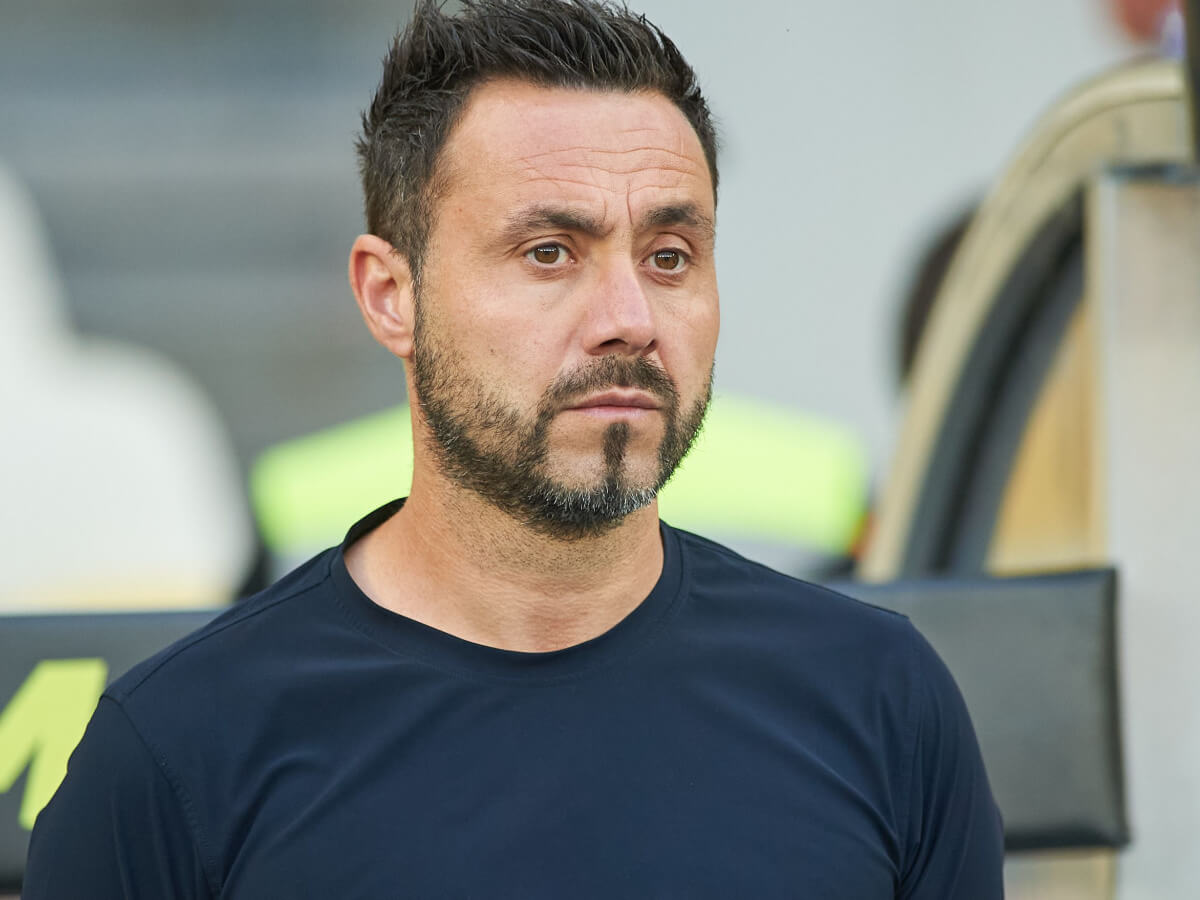
Roberto De Zerbi has delivered a clear message to the Tottenham Hotspur board, stating publicly that the quality of his working relationship with club leadership — not the division the team is playing in — will be the deciding factor in his long-term future at the club.
The Italian coach was appointed on a five-year contract at the end of March as Tottenham's third manager of the 2025/26 season, inheriting a club sitting in the Premier League relegation zone with just six games remaining. Spurs have not won a single league match in the 2026 calendar year, and with survival hanging by a thread, De Zerbi was asked directly whether relegation would prompt his exit.
Roberto De Zerbi, Tottenham manager, said:
"The problem is not the league. The problem is to keep the relationship with the board and to have the same ideas in the project."
He added that he had accepted the role precisely because the club's long-term ambitions aligned with his own coaching philosophy, and that external results alone would not define his commitment to the project.
Building a mentality from scratch
Away from the boardroom, De Zerbi has been focused on improving the atmosphere within the squad, taking the players out for dinner and spending time building individual relationships at the training ground. He has called on Micky van de Ven, Rodrigo Bentancur, Joao Palhinha and Dominic Solanke to step up as leaders following the season-ending injury to captain Cristian Romero.
Tottenham has been going through turbulent times recently, cycling through multiple managers in 2026 alone. In such circumstances, De Zerbi's demand for a unified project comes across as a significant ultimatum. His comments indicate that any potential success or failure will depend heavily on whether there is alignment between him and Spurs' board members regarding strategic decisions moving forward.
It appears that Roberto De Zerbi’s tenure at Tottenham Hotspur is contingent on more than just the club's performance in the league. The manager’s future seems to hinge on maintaining a harmonious relationship with the board and aligning their visions for the club's future. This approach could potentially bring stability and long-term success to a club that has been experiencing considerable upheaval in recent times