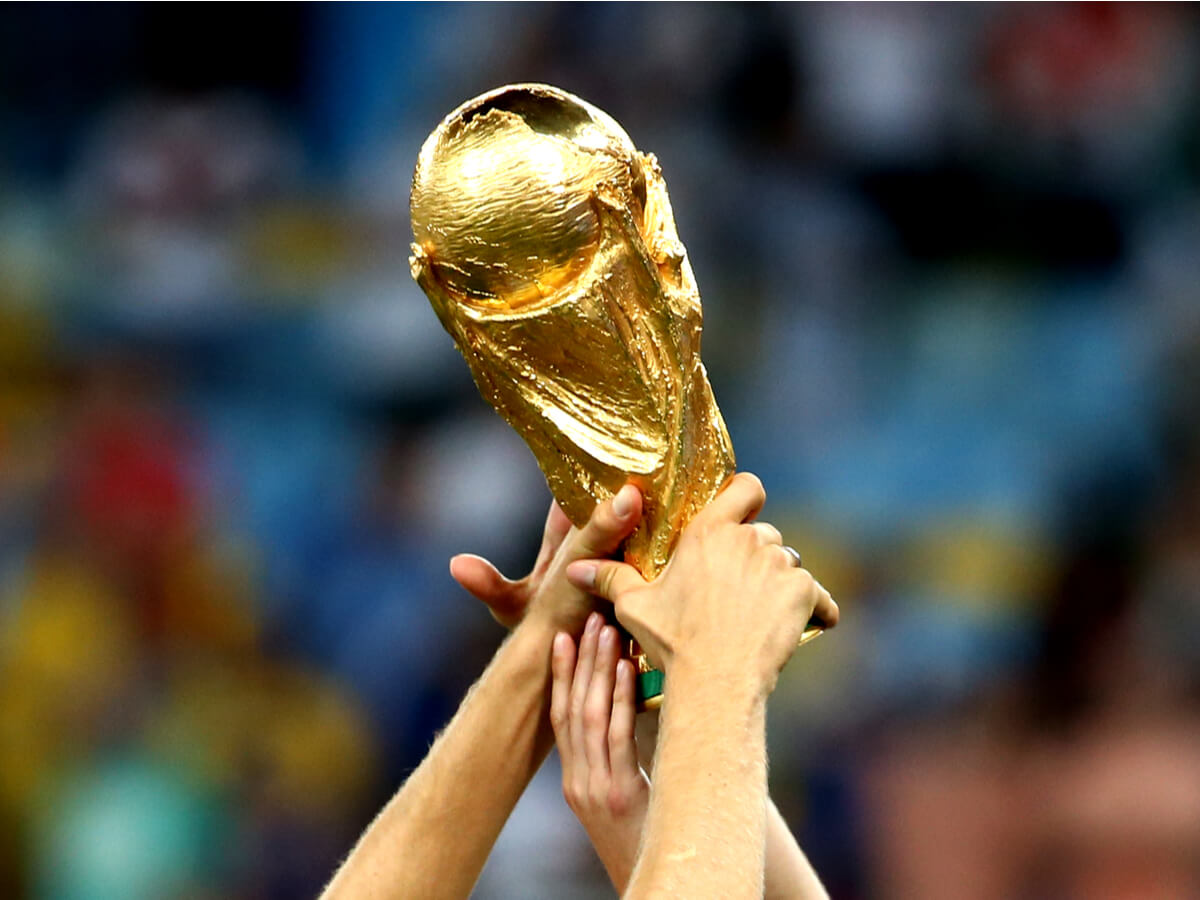
The 2026 FIFA World Cup is shaping up to be the most competitive edition in history. With an expanded 48-team format and three host nations, the United States, Canada, and Mexico, the tournament promises more drama, more surprises, and a wider-open path to the title than fans have ever seen.
In this article, we break down the teams already making a compelling case for the World Cup crown.
The format change and why it reshapes contender status
The jump from 32 to 48 teams is the biggest structural change in World Cup history, and it will affect every team's strategy from the group stage forward. Groups now consist of three teams, with the top two advancing, a setup that rewards consistency and punishes any team that takes a slow start. For squads with strong depth across all positions, this format is a genuine advantage.
This change also makes the early outright odds for the 2026 World Cup at 1Bet a more complicated picture than in previous tournaments. A team like Morocco or Japan, which might have been dismissed as a long shot in a 32-team field, now has more room to build momentum through the group stage. The expanded format effectively gives more nations a realistic shot at going on a deep run, which is why analysts and bettors alike are paying close attention to the full contender field rather than just the usual suspects.
The Traditional Powers: Still Dangerous
France remains one of the most feared squads in world football, built on a core of players who have experienced both the highs of a World Cup victory and the pain of a final defeat. The Mbappé generation has matured into tournament-tested professionals, and France's squad depth at nearly every position is difficult to match. Their biggest challenge heading into 2026 is not talent, but rather, maintaining defensive organisation when their attacking players press forward.
Brazil is in the middle of a genuine rebuild after their painful 2022 exit, but the next generation of Brazilian attackers is among the most exciting in the world. Under new management, the Seleção have been working to develop a clearer tactical identity rather than relying purely on individual brilliance. Germany, meanwhile, is showing real signs of a resurgence after back-to-back tournament disappointments, with a younger squad that brings energy, flexibility, and a hunger to reclaim its status as a legitimate World Cup favourite.
The Emerging Contenders: Teams Breaking Through
England has spent years building toward a tournament run, and the 2026 squad may be the most complete generation the Three Lions have ever assembled. With experienced leaders, a clinical attack, and a manager who has settled on a clear system, England enters the tournament with genuine belief rather than hope. Their performance record in knockout football has improved with each major tournament, making them a credible contender rather than an emotional one.
Morocco made history at the 2022 World Cup by becoming the first African nation to reach the semifinal, and they have not treated that run as a ceiling. Their defensive structure remains one of the most organised in international football, and their collective team spirit gives them an edge in the high-pressure knockout rounds that more talented squads sometimes struggle to find. Portugal, now navigating life beyond Cristiano Ronaldo's dominance, is emerging as a team with real tactical variety and a wave of young attacking talent capable of hurting any opponent in the world.
Dark horses worth watching
Not every contender arrives with a full spotlight. A handful of teams sit just outside the top tier but carry genuine upset potential when the tournament begins:
- Netherlands: technically gifted and capable of peaking at exactly the right moment
- Colombia: in outstanding South American form, with a dynamic and fast-moving attack
- Japan: tactically sharp and powered by a generation of players who have thrived in top European leagues
- Canada: the host nation, riding the momentum of a Davies-led generation on home soil
Early predictions and final thoughts
If the trends of recent international football are any guide, the 2026 World Cup champion will likely be a team that combines tactical clarity with squad cohesion, not simply the nation with the most individual stars. France and England carry the clearest combination of depth, experience, and a settled system heading into the tournament. The wildcard pick that most analysts are underestimating is Morocco, whose defensive structure and tournament mentality have already been proven at the highest level.
The beauty of a 48-team World Cup is that the path to the final is longer and more unpredictable than ever before. Teams that might have been eliminated early in a smaller field now have the room to find their rhythm and grow into the tournament. That structural change alone means the 2026 champion could come from a bracket that looks nothing like what most people expect when the draw is made.
The World Cup 2026 contender conversation is still evolving, and the picture will grow sharper as qualifying wraps up and squads are finalised. What is already clear is that the traditional powers face real, well-organised competition from teams that have studied and adapted to the modern game. Whether it is France lifting the trophy again, England finally breaking through, or Morocco writing another chapter in football history, the 2026 World Cup has every ingredient for an outcome that no one saw coming.