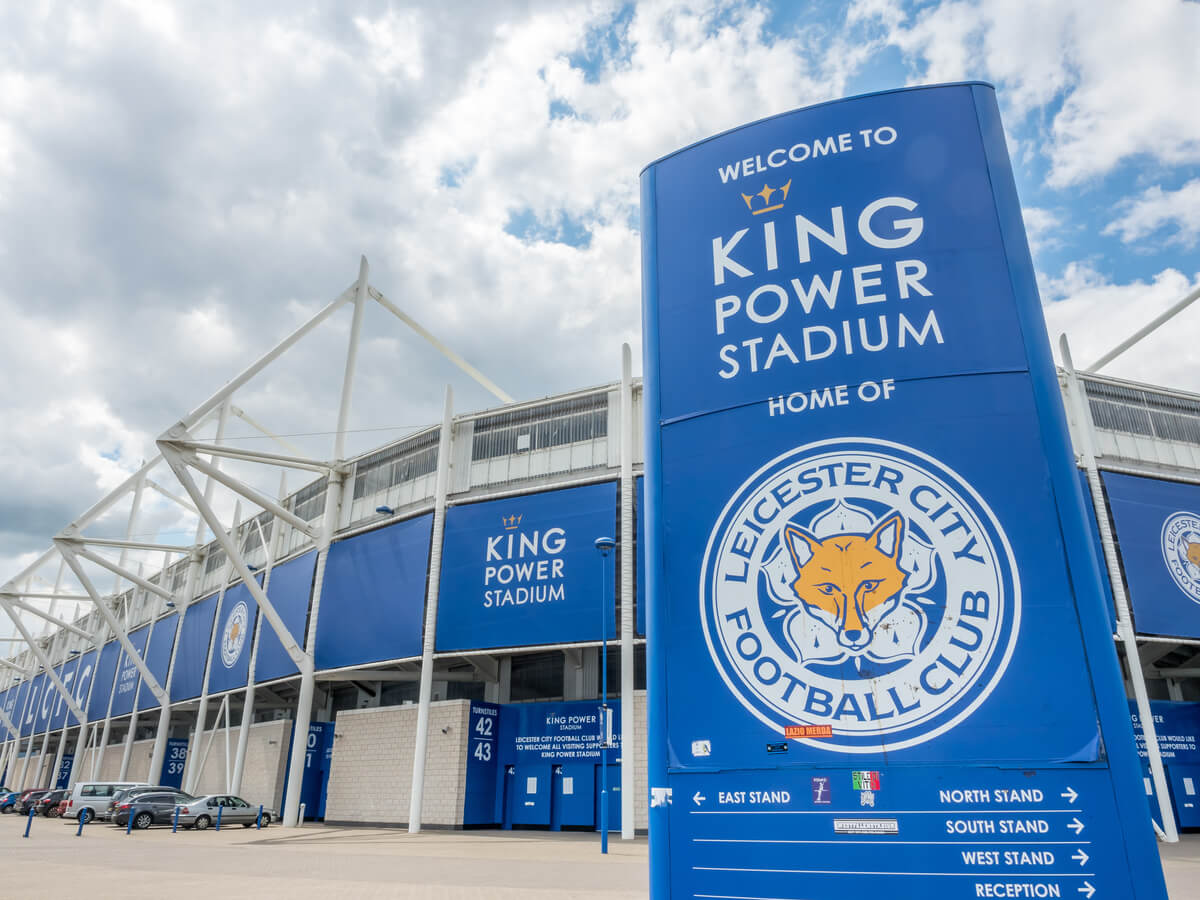
Leicester City, a prominent name in English football, has been penalized with a six-point deduction by the English Football League (EFL) due to violations of financial regulations. This immediate application of the penalty has resulted in the Foxes dropping from 17th to 20th place in the Championship table. They now teeter on the edge of relegation, saved only by their goal difference.
The sanction follows charges made against Leicester by the Premier League in May for breaching profit and sustainability rules (PSR) over three years leading up to 2023-24. The club had been relegated from top-tier football last season and is currently without a permanent manager after Marti Cifuentes was dismissed earlier this year.
In response to these developments, Leicester expressed disappointment with EFL's decision, labeling it as "disproportionate".
Leicester City released statement:
"While the commission's findings significantly reduced the unprecedented scale of the sanction originally sought by the Premier League, the recommendation remains disproportionate and does not adequately reflect the mitigating factors presented, the importance of which cannot be overstated given the potential impact on our sporting ambitions this season,"
"We are now reviewing the decision in full and considering the options available to us. We remain committed to engaging constructively and ensuring that any action is fair, proportionate and determined through the appropriate processes."
Understanding PSR regulations
Under PSR guidelines set by the Premier League, clubs are prohibited from losing more than £105m over three consecutive years. However, this figure decreases by £22m for each season that a club spends outside top-tier football.
The financial records of Leicester City reveal some alarming figures that have contributed to their current predicament. Their accounts, ending on June 30th, 2024, showed a significant loss of £19.4m. This was not an isolated incident as their financial documents for the year 2022-23 reported an even more concerning loss of £89.7m. The situation further deteriorated in the year leading up to May 2022 when they suffered a record-breaking loss of £92.5m, marking it as one of the most financially challenging periods in the club's history.
It is important to note that these figures do not include 'add backs', which are costs associated with building infrastructure or investing in women's football - expenses viewed as being generally beneficial for clubs by both the Premier League and EFL.
Despite the initial charges being made by the Premier League, it was the EFL that took on Leicester's case following their relegation to second-tier football. This move underscores the seriousness of financial regulation breaches in football and serves as a stark reminder for other clubs about maintaining financial sustainability. This incident has brought to light some significant issues surrounding financial management in sports clubs. It is a wake-up call not just for Leicester City but also for other teams to ensure they adhere strictly to PSR regulations and maintain sound financial practices.