Japanese advertising titan, Dentsu, has successfully acquired the domestic broadcasting rights for the highly anticipated 2026 FIFA World Cup. This comprehensive media rights package will offer Japanese viewers multiple viewing methods, including both broadcasting and streaming options.
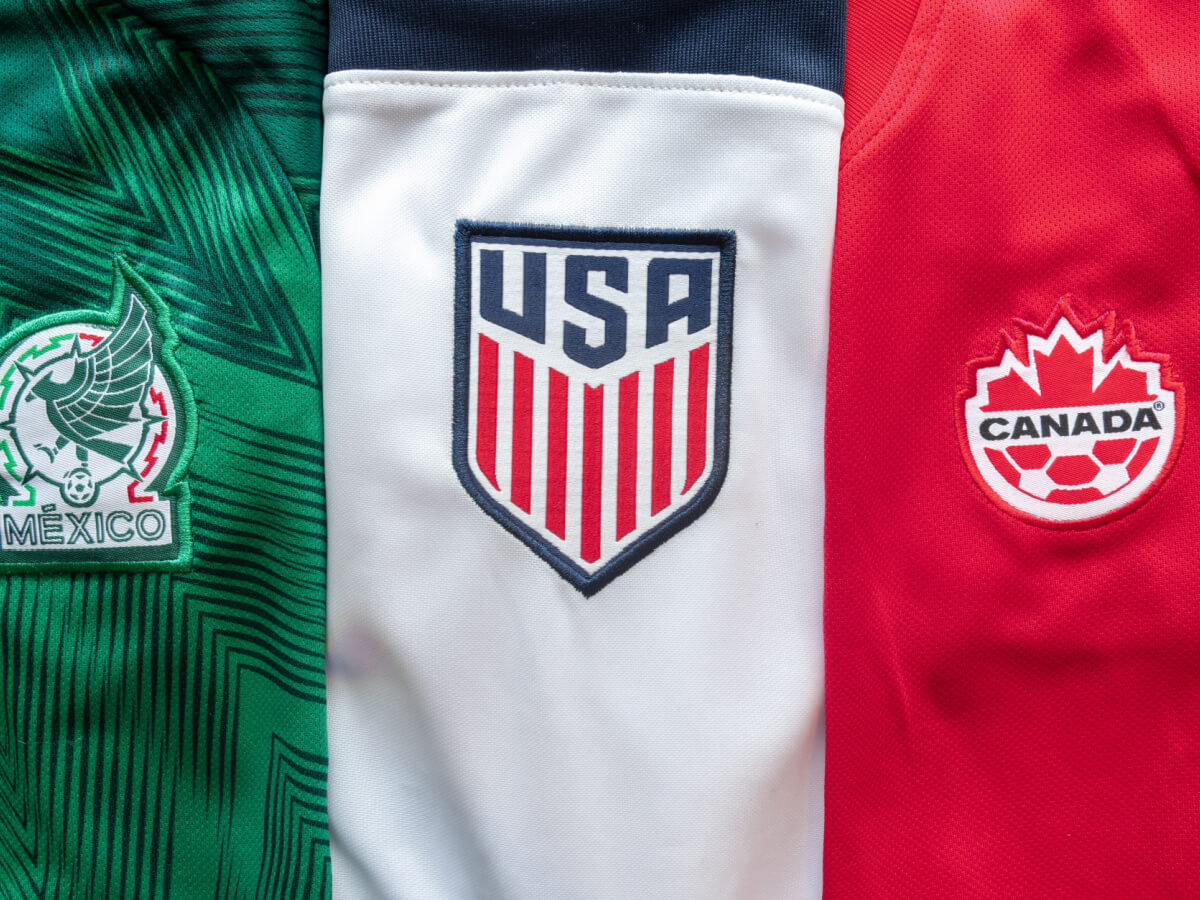
The 2026 FIFA World Cup is set to take place between June 11 and July 19, with Canada, Mexico, and the US serving as hosts. The tournament will feature a total of 104 matches with an expanded roster of 48 teams competing.
Dentsu has announced plans to collaborate with broadcasters and over-the-top (OTT) video streaming service providers to create a system that will allow the excitement of the tournament to be shared throughout Japan. This innovative broadcasting system aims to broadcast Japan national team matches in multiple formats including live terrestrial broadcasting.
Moreover, all matches from the tournament - not just those featuring Japan - will be live-streamed on various video streaming services. This move ensures that soccer fans across Japan can enjoy every moment of this global sporting event.
FIFA's direct sales approach
Historically, FIFA appointed agencies such as Infront for selling media rights in most parts of Asia-Pacific region excluding South Korea, Japan and Malaysia where it managed sales directly. However last year marked a significant shift in strategy when FIFA began selling media rights directly across all Asian markets for its current World Cup cycle after taking this process in-house. Infront had previously sold media rights for FIFA during the previous sales cycle (2019-2022) across twenty-six Asian countries from its base in Switzerland. Despite their long-standing relationship with Infront however; FIFA decided to negotiate deals internally so as "to closer manage its broadcast relationships."
FIFA did retain Infront's advisory services though; specifically within selected Asian territories regarding media rights for both upcoming tournaments - the 2026 World Cup and the 2027 Women’s World Cup. These territories include Bangladesh, Bhutan, Brunei, Chinese Taipei, Hong Kong, India, Indonesia, Thailand, Cambodia, Laos, Macau, Malaysia, Maldives, Myanmar, Nepal, Pakistan, Philippines, Singapore, Sri Lanka, and Vietnam.
The acquisition of the broadcasting rights by Dentsu marks a new chapter in sports broadcasting in Japan. With plans to offer multiple viewing methods for fans across Japan during the 2026 FIFA World Cup tournament; this move is set to revolutionize how soccer is consumed in the country. As FIFA continues to shift its strategy towards direct sales of media rights; it will be interesting to see how this impacts future tournaments and their global reach.