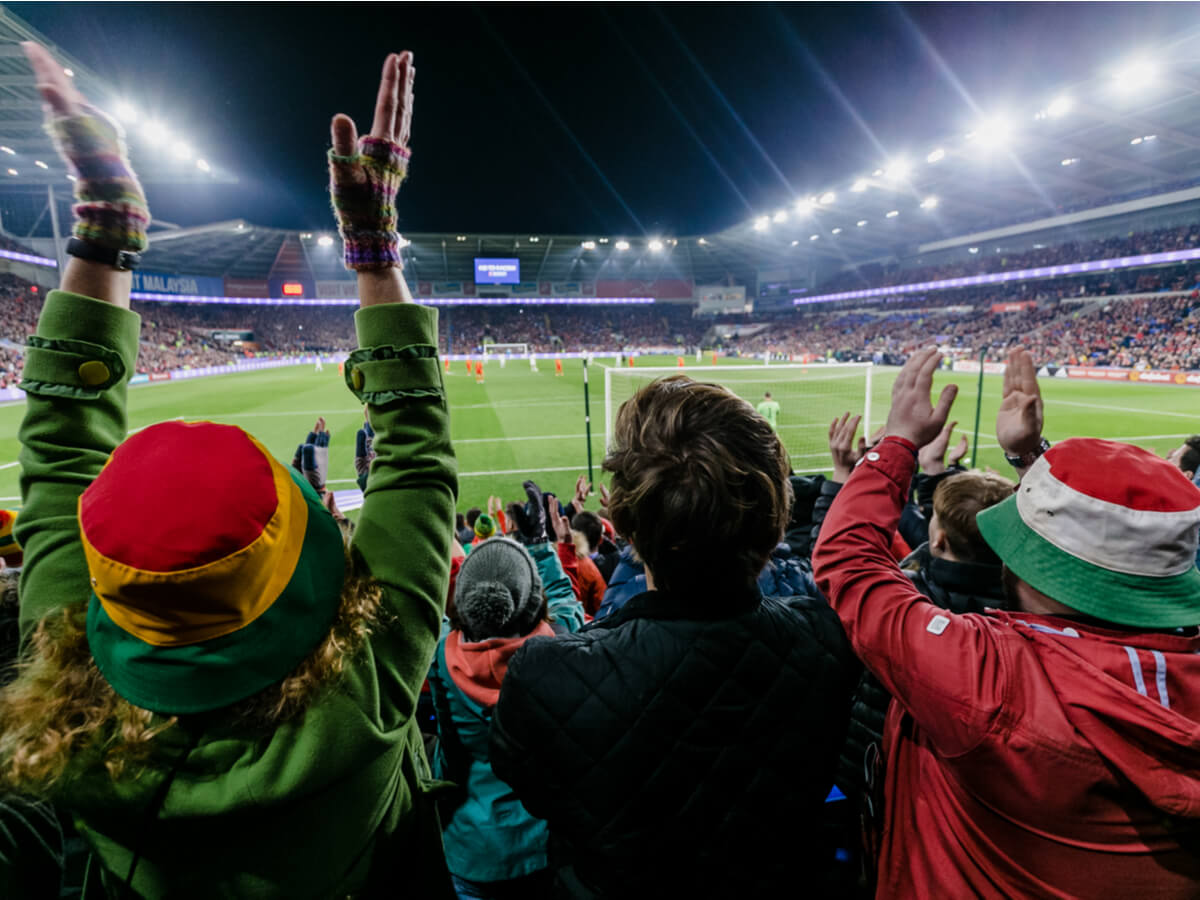
The new era of watching football has reshaped how millions of supporters consume the sport globally. Traditional television schedules no longer dictate when or where a match gets watched, as streaming platforms (Digital Access Zone (DAZN), Amazon Prime Video, and Entertainment and Sports Programming Network Plus (ESPN+)) deliver live fixtures directly to phones, tablets, and laptops. Football audiences increasingly rely on real-time match tracking tools, live-score apps, and on-demand replays to stay connected to the action.
The new era of football viewing is defined by fragmentation, flexibility, and immediacy. Supporters across Europe, Asia, and South America access matches from leagues outside their local broadcast windows. Nielsen's 2025 Global Sports Report confirms that 51% of people worldwide identify as football fans, reflecting a growing demand for always-available digital access that continues to rise alongside streaming adoption.
Why do football fans use multiple platforms during live matches?
Football fans use multiple platforms during live matches because a single stream rarely delivers everything a supporter needs in one place. Live broadcasts cover the match itself, but real-time statistics, lineups, injury alerts, and competing fixtures from other leagues require separate tools. Research from International Business Machines (IBM) shows that 90% of sports fans engage with content beyond the live broadcast, including highlights, social media, and analysis. Additionally, around 29% use multiple devices during events.
Over 80% of sports fans are estimated to use second screens while watching a live sports broadcast. The behaviour reflects a desire for active participation rather than passive watching. A supporter tracking the Premier League table shift, monitoring a fantasy football squad, and following a Champions League fixture simultaneously needs at minimum three separate platforms. Popular second-screen activities include looking up stats, using social media, watching another game on a separate device, playing fantasy sports, and engaging with live commentary.
Chat features and real-time comment sections on platforms (X (formerly Twitter) and Reddit) add a communal layer to what was once a solitary viewing experience. Fans coordinate reactions, share clips, and debate decisions in real time. Football is consumed in a way that is less linear, more interactive, and increasingly informed by real-time data.
How have streaming services changed the way fans follow football?
Streaming services have changed football viewing habits by removing geographic restrictions and fixed broadcast schedules. The National Research Group reported that 74% of Millennials watch live sports on streaming platforms, and every age group except Baby Boomers prefers streaming to traditional television. A platform like DAZN carries broadcasting rights across multiple leagues at the same time. A single subscription provides access to Serie A, Bundesliga, and international fixtures without separate cable packages. Football supporters watch matches from Europe, South America, and Asia during the same weekend. Streaming platforms support flexible viewing through pause, replay, and multi-match switching features. A fan who misses kickoff because of a time zone difference accesses a full replay within minutes instead of waiting until the next morning for highlight coverage.
Why are real-time notifications important for modern sports audiences?
Real-time notifications remain important for modern sports audiences because live alerts maintain fan engagement outside match broadcasts. Sports applications send instant updates during active competitions, and frequent alerts encourage repeated app activity throughout the day. A goal notification during a work break connects a supporter to the match within seconds.
Fast goal notifications influence social media discussions, betting activity, and emotional reactions during live fixtures. Speed and accuracy determine platform credibility because delayed alerts reduce user trust quickly. Fans tracking Premier League, La Liga, and Union of European Football Associations (UEFA) Champions League matches during the same afternoon rely on push notifications as a continuous live scoreboard without manual checking.
How do fans keep track of matches across different competitions and time zones?
Fans track matches across competitions and time zones through football apps, live score platforms, and multi-view streaming tools. Football calendars remain active throughout the week across Europe, South America, and Asia, making daily fixture tracking part of regular fan activity. Modern football viewing involves multiple leagues, staggered kickoffs, and overlapping tournaments during the same weekend. Football applications provide continuous match awareness even outside live broadcasts. The live score platform displays fixtures from more than 200 competitions inside a single feed organised by kickoff time and local time zone. Time zone differences create scheduling challenges during international travel. A match starting at 8:00 PM in Spain may begin at 3:00 AM in Japan. Reminder notifications help supporters follow decisive moments without manually checking fixture schedules.
What information do fans usually check before a match starts?
The information fans check before a match starts is listed below.
Kickoff Time and Broadcast Access: Supporters confirm kickoff schedules and regional broadcast access before the match begins.
Confirmed Lineups: Teams release starting lineups from 60 to 75 minutes before kickoff. Fans review tactical formations and key absences that affect match expectations.
Injury and Suspension News: Missing strikers, injured goalkeepers, and suspended defenders change fixture dynamics. Official club statements and sports newsfeeds provide updated squad information.
Recent Form and Head-to-Head Records: Supporters examine the last five results and previous meetings from the competing teams. Statistical databases provide quick performance comparisons before kickoff.
Live Stats and Expected Goals Data: Pre-match metrics include expected goals (xG), possession averages, and pressing intensity. Statistical breakdowns help fans understand tactical trends before the opening whistle.
Streaming Access and Platform Availability: Regional broadcast rights vary across streaming services and television providers. Early access confirmation prevents viewing delays after kickoff.
Why has second-screen viewing become common during football matches?
Second-screen viewing has become common during football matches because television broadcasts no longer fully satisfy modern fan expectations. Millions of supporters watch live matches on television while using smartphones or tablets simultaneously, changing how football audiences consume content during live events. Social media platforms drive a large portion of second-screen activity. Fans post reactions on X, participate in football discussions, and follow live commentary from journalists during matches. Supporters use second screens to discuss key moments, read breaking updates, and search related statistics during live play. Fantasy football activity creates another layer of engagement during matches. Supporters track minutes played, assists, and shot statistics through live score and fantasy sports applications at the same time. Research shows that 87% of sports fans use second screens during live broadcasts because digital platforms provide faster interaction and deeper match analysis alongside television coverage.
How do sports platforms compete for viewer attention beyond streaming?
Sports platforms compete for viewer attention beyond streaming through interactive features, predictive tools, live statistical overlays, and personalised content alerts. Live match broadcasts no longer function as the main differentiator across digital sports services. Research shows that 73% of surveyed fans use dedicated mobile sports applications for updates, and 85% of respondents value artificial intelligence features during sports viewing experiences.
Modern sports platforms include live win probability trackers, heat maps, expected goals overlays, and real-time momentum charts during matches. Surveyed fans rank real-time match updates at 35% and personalised content at 30% among the highest priorities for AI-enhanced engagement. Prediction games, halftime quizzes, and fan polls maintain audience interaction during slower match periods. Personalised feeds display updates related to followed clubs, leagues, and competitions automatically. Algorithm-based recommendations reduce search time and increase engagement across live broadcasts, statistics pages, and football news coverage.
Why do football fans frequently switch between apps and websites during matchdays?
Football fans frequently switch between apps and websites during matchdays because a single platform rarely covers every requirement across a full football schedule. A supporter may read pre-match analysis on a news platform, move to a streaming service for the live broadcast, check a live score platform during another fixture, and open social media for post-match reactions. A single football match captures attention across multiple screens during three hours, creating a more interactive viewing experience than previous seasons.
Data reliability drives switching behaviour during live matches. Fast notifications build trust because delayed updates reduce platform credibility quickly. A supporter receiving a late goal alert on one application frequently moves to a faster alternative during the same match. Free access to live score platforms lowers the barrier for switching across multiple services during football coverage.
How Has Mobile Access Changed Sports Consumption Habits Worldwide?
Mobile access has changed sports consumption habits worldwide by making live football available beyond traditional television networks and home viewing. Research from 2024 shows that 62% of viewers accessed sports content through mobile applications, smart televisions, and web-based streaming platforms. Commuters watch matches during train journeys. Office workers check live scores during breaks, and travellers stream fixtures from hotels across different time zones.
Smartphones are viewing devices across developing markets where households lack multiple screens. Gulf countries record high mobile sports consumption because of strong smartphone penetration and advanced mobile network infrastructure. Younger audiences drive much of the behavioural change across global football viewing habits. Sports fans in India remain 50% more likely than average sports audiences to watch matches on mobile devices during travel. Generation Z (Gen Z) viewers remain 21% more likely than average sports fans to play mobile games during live sports broadcasts at the same time. Mobile access has turned football viewing into a continuous daily activity connected to commuting, travel, and work breaks instead of fixed television schedules.
Why do certain online platforms become part of matchday internet activity?
Certain online platforms become part of matchday internet activity because football fans naturally move across multiple digital spaces during live events. A supporter checking a live score may continue toward discussion forums, post-match analysis videos, or recommendations shared by sports content creators. Users begin by searching for one result but remain active longer after encountering related headlines and additional recommended content. Push notifications encourage repeated application activity throughout the day.
Matchday browsing follows a fragmented pattern across football-related platforms. A supporter researching recent team form before kickoff may move across sports news websites, statistical databases, short video pages, and football communities during the same session. Social media platforms distribute match clips and football discussions rapidly across younger audiences, increasing interaction during live fixtures. Heavy football activity during major matchdays increases internet traffic across sports-related digital categories and expands participation across connected online platforms.
How does Situs 888 appear within broader football-related online discussions and matchday browsing activity?
Situs 888 appears within broader football-related online discussions and matchday browsing activity as part of the larger digital environment surrounding sports content. Matchday internet sessions rarely remain limited to a single platform because supporters move across news aggregators, live score pages, community discussions, and entertainment services within short periods. Football audiences regularly encounter gaming and entertainment-related platforms during sports-focused browsing activity.
Platform visibility across forums, social feeds, and recommendation algorithms increases exposure during live football events. Supporters begin browsing sessions through a football-related search before moving across multiple content categories before kickoff. Entertainment-related platforms like Situs 888 appear naturally in football-related digital conversations during matchdays.
What should fans consider when using multiple sports platforms during live events?
The factors that fans should consider when using multiple sports platforms during live events are listed below.
Reliability and Update Speed: Delayed score updates and application crashes reduce platform dependability during high-traffic fixtures. App ratings, update frequency, and user feedback help identify stable services before major matches.
Information Accuracy: Verified sports data providers improve lineup, scoreline, and statistical accuracy during live events. Trusted data partnerships reduce the risk of incorrect football information during active matches.
Accessibility Across Devices: Cross-device compatibility supports uninterrupted access across smartphones, tablets, and laptops. Multi-screen viewing sessions become less disruptive when platforms maintain synchronised access.
User Experience Consistency: Clean layouts and organised navigation improve speed during fast-moving football situations. Competition filters and customizable notifications reduce time spent searching for relevant updates.
Data Privacy Transparency: Privacy policies explain how platforms collect browsing and location information during live sessions. Permission reviews protect personal data across each application used during matchdays.