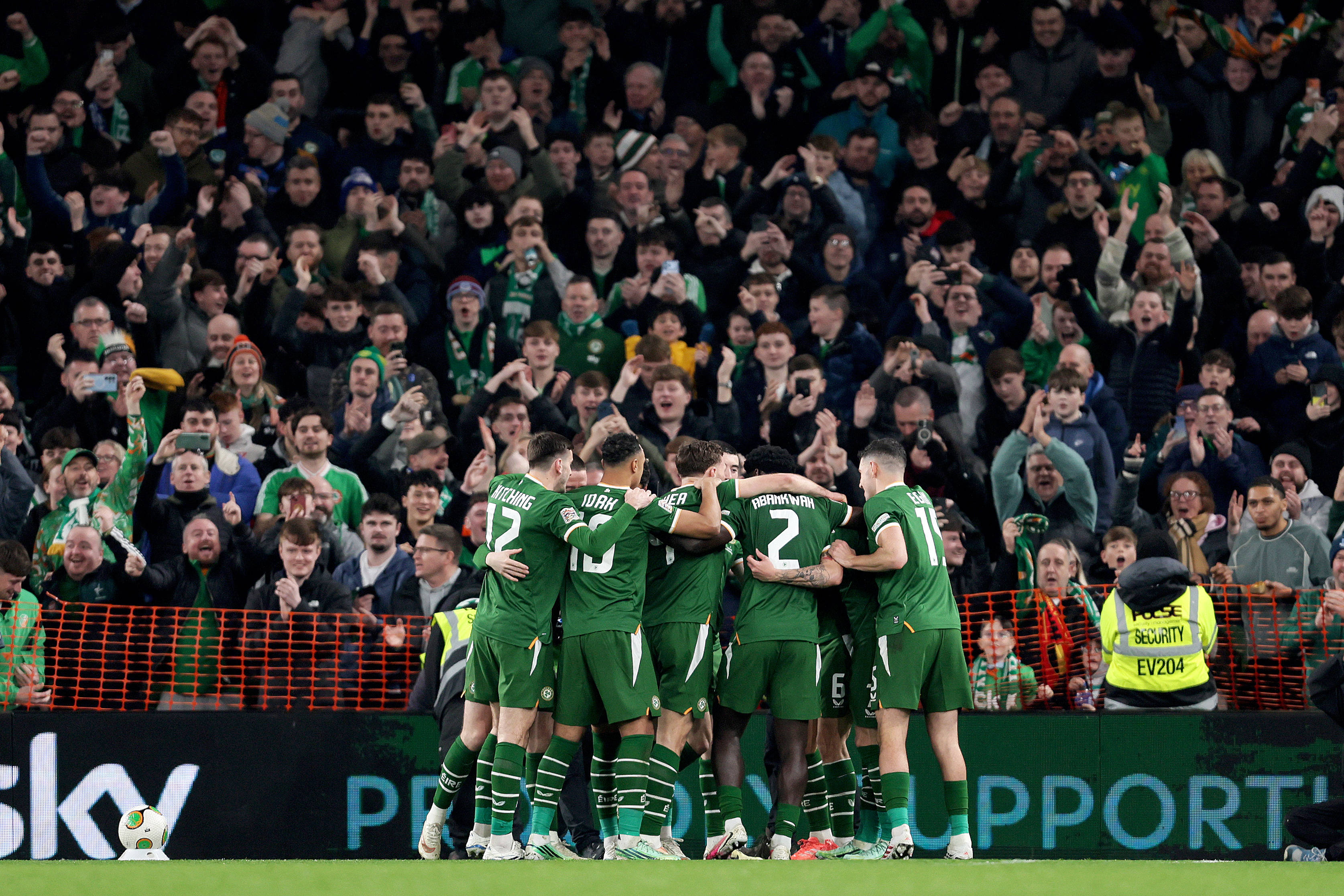
Four changes, a narrow defeat in Austria, then a convincing victory over Kosovo three days later. The Republic of Ireland's November 2026 Nations League fixtures offered a useful lesson in how starting line-ups should be interpreted.
Under Heimir Hallgrímsson, Ireland's selection decisions reflected different circumstances, from tactical adjustments to enforced replacements. Yet the contrasting results also showed why judging a manager's choices purely by the final score can be misleading.
What Ireland's team changes really reveal before kick-off
A starting XI offers clues about a manager's intentions, but the significance of a change depends on the player involved. Replacing a centre-back with a similar defender is different from introducing a more attack-minded midfielder or changing the balance between defensive cover and attacking width.
For Ireland supporters, the important question is not simply who starts, but what the selection allows the team to do differently.
Unexpected absences can also influence how a fixture is assessed before kick-off. Supporters examining football markets through platforms offering betting online in Ireland may see those expectations reflected in pre-match odds. However, a team-sheet announcement does not automatically trigger a price change, and odds cannot explain a manager's tactical reasoning.
Austria vs Ireland - four changes, one narrow defeat
For the 15 November meeting with Austria, Hallgrímsson made four changes from the side that had faced Israel. Ireland remained competitive, but Sasa Kalajdzic's 78th-minute goal secured a 1-0 Austrian victory.
As documented in the FAI's official match report, the changes formed part of Ireland's preparations for a demanding international fixture.
The result alone does not establish whether those decisions were successful. A late concession might reflect defensive positioning, an individual mistake or sustained pressure. Assessing the selection requires examining how Ireland defended, progressed the ball and created opportunities throughout the match.
Ireland vs Kosovo - when events change the analysis
Ireland's 3-0 victory over Kosovo at the Aviva Stadium on 17 November provided a contrasting example. John Egan replaced the injured Nathan Collins in the starting XI, leaving the team with one enforced change from the Austria fixture.
The match's decisive turning point came in the 26th minute. Kosovo defender Kreshnik Hajrizi was sent off for handling Troy Parrott's goalbound header on the line. Parrott converted the resulting penalty, added another shortly after half-time, and Jack Moylan completed the scoring in the 75th minute.
Playing against ten men for more than an hour fundamentally altered the contest. Ireland's attacking opportunities and Kosovo's defensive responsibilities changed in ways that could not have been known when the starting line-ups were announced.
What the two matches tell us about team selection
Comparing the fixtures reveals why team selection and match outcomes should be assessed separately.
Factor | Austria vs Ireland | Ireland vs Kosovo |
|---|---|---|
Result | 0-1 | 3-0 |
Selection context | Four changes from the previous fixture | Egan replaced injured Collins |
Key event | 78th-minute Austrian winner | 26th-minute Kosovo red card |
Main lesson | A defeat cannot be attributed to selection alone | A victory must be assessed alongside match-changing events |
The comparison illustrates a limitation of retrospective analysis: knowing the result makes earlier decisions appear more predictable than they actually were.
Three things to check before judging an Ireland line-up
Identify the reason for each change. An injury-enforced replacement tells a different story from a deliberate tactical adjustment.
Look at roles rather than names. Two players occupying the same position may offer very different defensive or attacking qualities.
Separate pre-match information from match events. A red card, penalty or late substitution can transform the contest without proving the original selection right or wrong.
The same distinction applies when interpreting match probabilities. Sporticos' explanation of how football odds and predictions work provides useful background on why pre-match expectations should never be treated as guarantees.
Selection matters, but context matters more
Ireland's contrasting November results demonstrate why starting line-ups deserve careful attention without being treated as predictions.
The most useful approach is to examine what a selection changes tactically, distinguish enforced decisions from deliberate ones, and reconsider the analysis as events unfold. A team sheet tells supporters how a manager intends to begin a match. It cannot tell them how the next 90 minutes will develop.