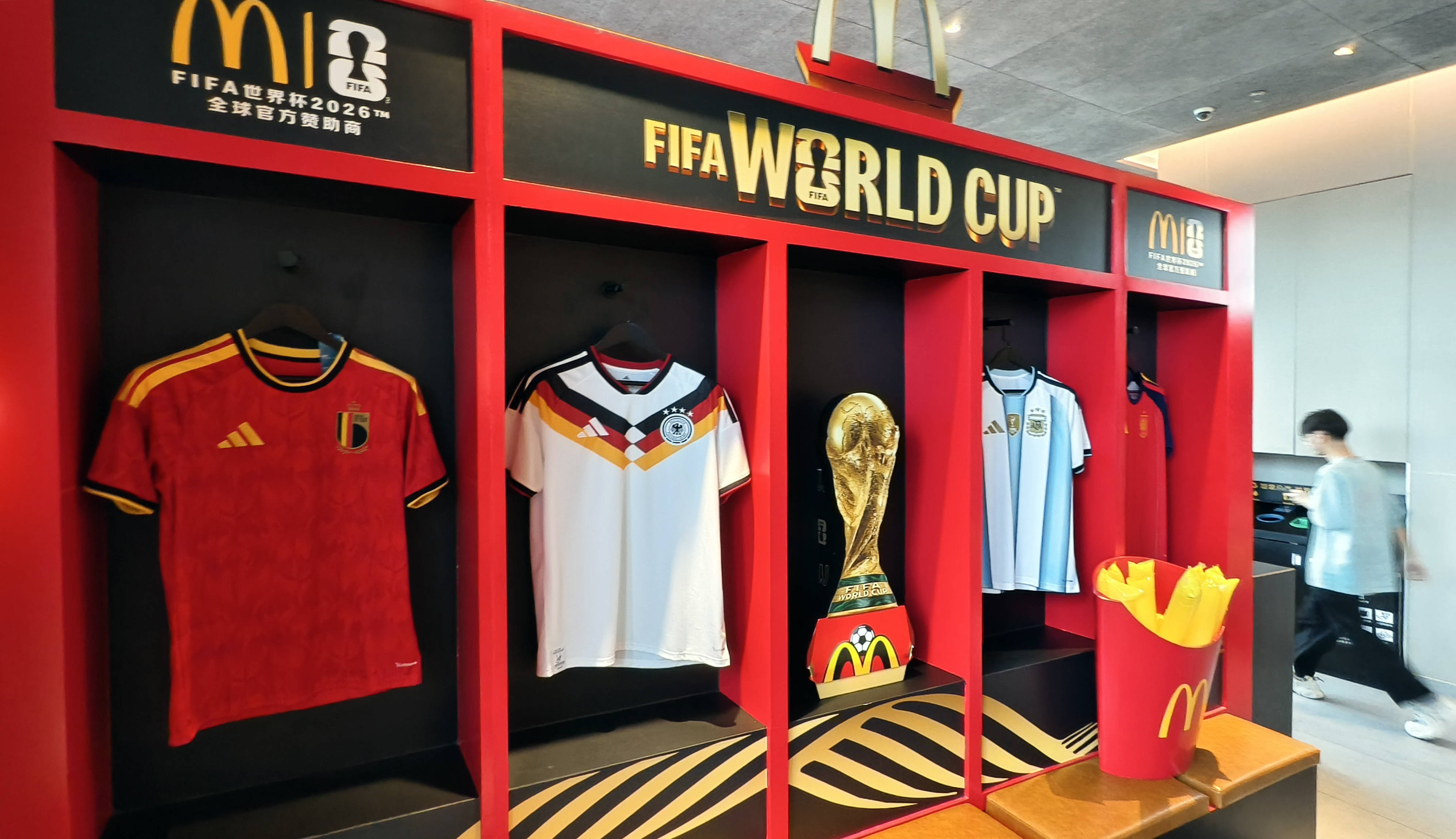
McDonald’s is ending its sponsorship of the FIFA World Cup after a 32-year partnership, with the change linked to a review of marketing return on investment rather than any direct response to wider headlines about football’s governing body.
The company’s World Cup association began in 1994 and has remained one of the most recognisable long-term corporate tie-ups in global sport. The relationship is reported to be concluding as McDonald’s overhauls its broader marketing approach, moving away from a heavy reliance on the World Cup as the centrepiece of its football activation.
McDonald’s ran its biggest World Cup campaign at this summer’s tournament, created by Wieden+Kennedy New York and designed to reach more than 110 countries. However, the returns did not match the scale of the investment.
On its Q2 2026 earnings call, the club’s decision-making was framed in commercial terms: McDonald’s said the campaign generated enthusiasm across the system, but that it ultimately fell short of expectations. It also pointed to slower growth in the United States during the period when the campaign influence would be expected to show up.
The company also said the decision was ‘unrelated’ to recent headlines about FIFA, while stating it would continue investing in sport through other channels.
A broader warning for World Cup sponsors
For FIFA, the loss of a long-standing partner highlights a growing challenge in selling World Cup sponsorship value. While the tournament delivers global reach, the commercial payoff is concentrated into a short window every four years—meaning brands increasingly compare it with deals that can deliver consistent visibility across leagues, clubs, grassroots events and individual athletes throughout the calendar.
McDonald’s exit also arrives at a sensitive moment for FIFA’s wider commercial environment. With scrutiny around governance and the management of football’s international commercial rights repeatedly in the spotlight, other sponsors may be asking tougher questions about long-term stability, activation flexibility and reputational risk.
For fans, the immediate impact may be subtle on matchdays. But sponsorship changes can shape the media and fan experience around future tournaments, as FIFA looks to replace value in a market where brands have more options than ever.
If McDonald’s is the signal, the bigger story is that even top-tier global brands are treating World Cup partnerships more like a strategic gamble—one they will walk away from if the numbers do not add up.