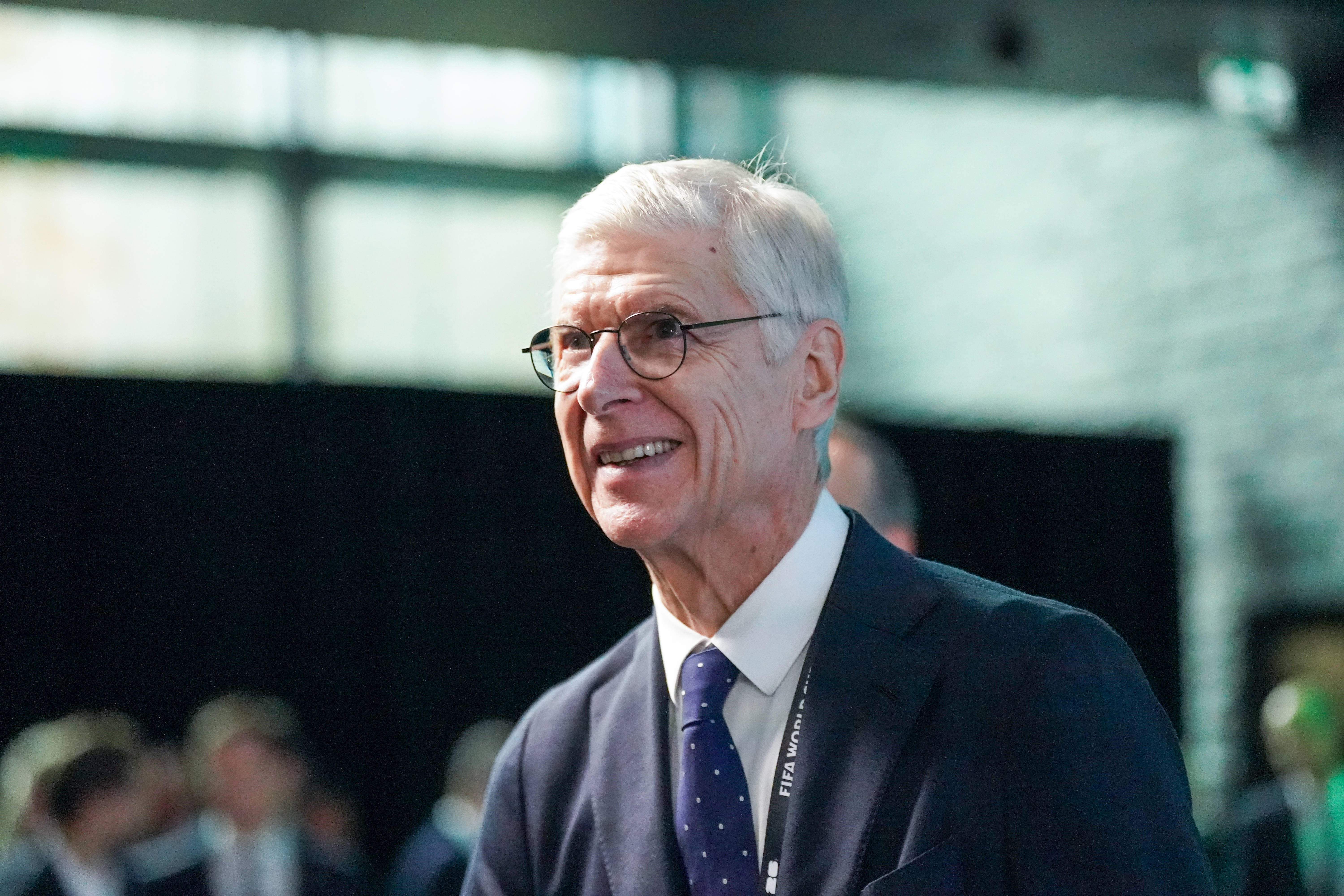
French president Emmanuel Macron has reportedly offered to help Arsène Wenger launch a bid for FIFA’s top job, including lobbying other world leaders in support of the former Arsenal manager. The intervention, first reported by The Telegraph, arrives as Wenger is understood to be nearing a decision on whether he will stand against incumbent president Gianni Infantino.
The timing matters. Wenger is expected to announce his choice before the November 18 nomination deadline, meaning the FIFA election field could sharpen in the weeks ahead rather than months.
Macron’s involvement is significant because the election process runs through FIFA member associations, not governments. Even if national associations act independently, political pressure from major states can still influence how campaigns are funded, received and protected within football’s governance structures. The Telegraph also suggested Macron’s reported approach could prove counterproductive for Wenger with some nations wary of state interference.
Why Wenger and Infantino are central to the debate
Wenger, 77, has worked inside FIFA since 2019 as chief of global football development. However, he has publicly distanced himself from a failed FIFA initiative branded ‘FIFA Forward Enterprise’, and is now widely expected not to renew his contract with the organisation.
Infantino, meanwhile, has confirmed he will seek another term. He has already been active on the campaign trail, positioning himself as the continuity candidate as FIFA prepares for another high-stakes leadership contest.
With high-profile governance figures in the frame, supporters of change will focus on whether Wenger’s candidacy—if it happens—brings a clear break from the most recent FIFA controversies, particularly around decision-making and transparency.
Other challengers named
As the field begins to take shape, Japan Football Association president Kohzo Tashima is set to challenge Infantino. Former Swiss international Ramon Vega has also indicated hopes of launching a campaign.
FIFA’s presidential election will take place at the FIFA Congress in Rabat on March 18, 2027. Before that, Wenger’s potential entry is the main unknown—his decision could significantly alter the tone of the contest, shifting it from a two-person contest into a wider, more fragmented race.
For fans, the outcome matters because the FIFA president typically sets the agenda for how football’s global competitions, development programmes and governance reforms are prioritised over the following presidential term.