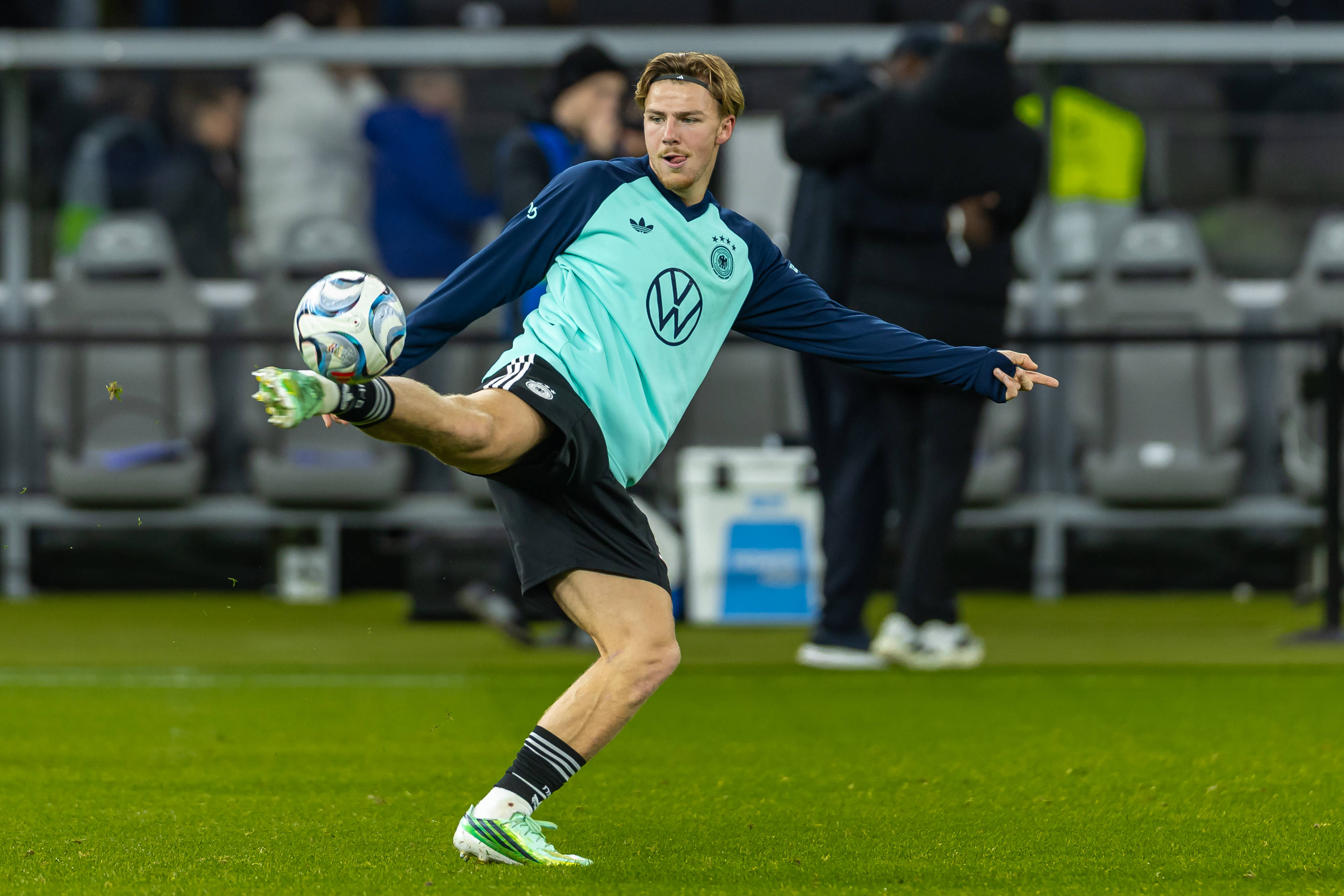
Inter’s interest in Finn Jeltsch is real, but the path to signing him in the January window looks extremely narrow after VfB Stuttgart set what is being described as a €60m asking price.
Italian reporting has framed the situation as a mismatch between what Stuttgart want and what Inter are typically comfortable spending, particularly with Oaktree’s emphasis on controlling wages and being careful with outlay. In other words: even if Inter rate Jeltsch highly, the valuation itself could price the deal out before negotiations ever properly begin.
The key point for Inter is that Stuttgart are not believed to be in any hurry to sell mid-season. The valuation matters even more because it raises the “buy now” cost of a future-facing defender at exactly the time clubs often look for alternatives such as lower-fee signings or squad reinforcements that fit cleaner budgets.
There is also expected to be competition for Jeltsch’s signature, with the Bundesliga clubs and broader European recruitment landscape already filled with suitors looking for the next wave of young centre-backs. That makes a protracted negotiation more likely than a quick agreement.
Inter’s defensive planning: long-term first
Inter’s recruitment approach for their back-line has been guided by a mix of experience and careful workload management. Cristian Chivu has leaned on seasoned defenders, with names such as Manuel Akanji, Alessandro Bastoni and Yann Bisseck repeatedly highlighted as key figures in the current plans. John Stones’ fitness is also still being monitored, which underlines why Inter have been thinking about depth and long-term options rather than only short-term fixes.
Within that framework, Jeltsch is more plausibly positioned as a summer target than a winter solution. A deal in January would require Inter to challenge their normal spend levels and navigate a negotiation with Stuttgart that is unlikely to be centred on a discount.
For fans, the practical takeaway is straightforward: if Inter are serious about securing Jeltsch, patience may be their biggest asset—because the current price tag is understood to make a January move highly unlikely.