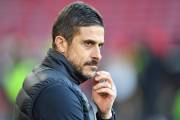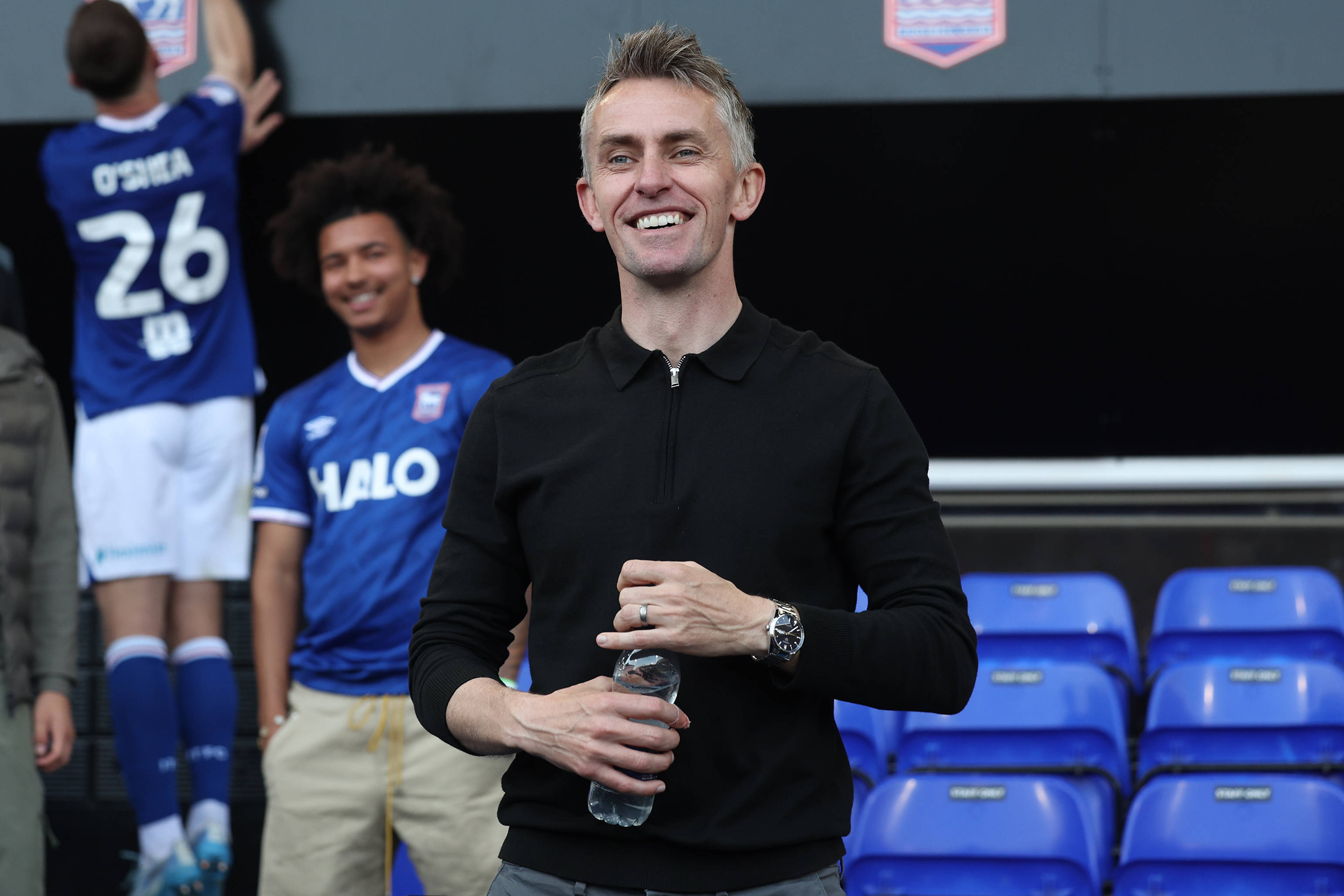
Kieran McKenna’s next move is a long way from a club dugout, but it is still firmly in football’s decision-making lane. The 40-year-old has taken up a position with UEFA as a technical observer, a role focused on analysing matches at the highest level and feeding tactical and strategic feedback into the competition’s wider technical output.
The timing matters. McKenna stepped away from Ipswich Town soon after guiding the Tractor Boys back to the Premier League, leaving a job many expected to keep pulling him towards another managerial appointment. Instead, he has chosen an off-field pathway that keeps him close to elite match preparation while giving him time away from day-to-day club demands.
What UEFA’s technical observer role involves
In his new capacity, McKenna will be tasked with reviewing matches in UEFA’s Champions League programme. One of the headline responsibilities is supporting the selection of the ‘Player of the Match’.
Beyond the individual award, observers compile detailed post-match material. Those reports provide coach-level insight on patterns of play, tactical adjustments and key moments, aiming to translate what happened on the pitch into lessons that can be used by teams and coaching staff.
The observer panel also contributes to broader seasonal voting processes, including the identification of candidates for end-of-season team and player recognition, as well as selections for the competition’s ‘Goal of the Season’.
First assignment
McKenna’s first scheduled work will come next Wednesday as he observes Shakhtar Donetsk vs AEK Athens, with the match taking place at Chelsea’s Stamford Bridge.
For fans, the practical implication is simple: this is UEFA work, not a coaching appointment. There will be no touchline return during the competition itself. However, staying active in UEFA’s technical ecosystem keeps McKenna’s scouting and analysis skills sharp while maintaining a high level of exposure to evolving approaches across top European sides.
The bigger picture is that a technical observer role can also function as preparation for a future return to management. In stepping into a structured analysis position, McKenna gets to refine his tactical reading of games from a distance—then potentially bring that learning back to a club when the timing is right.