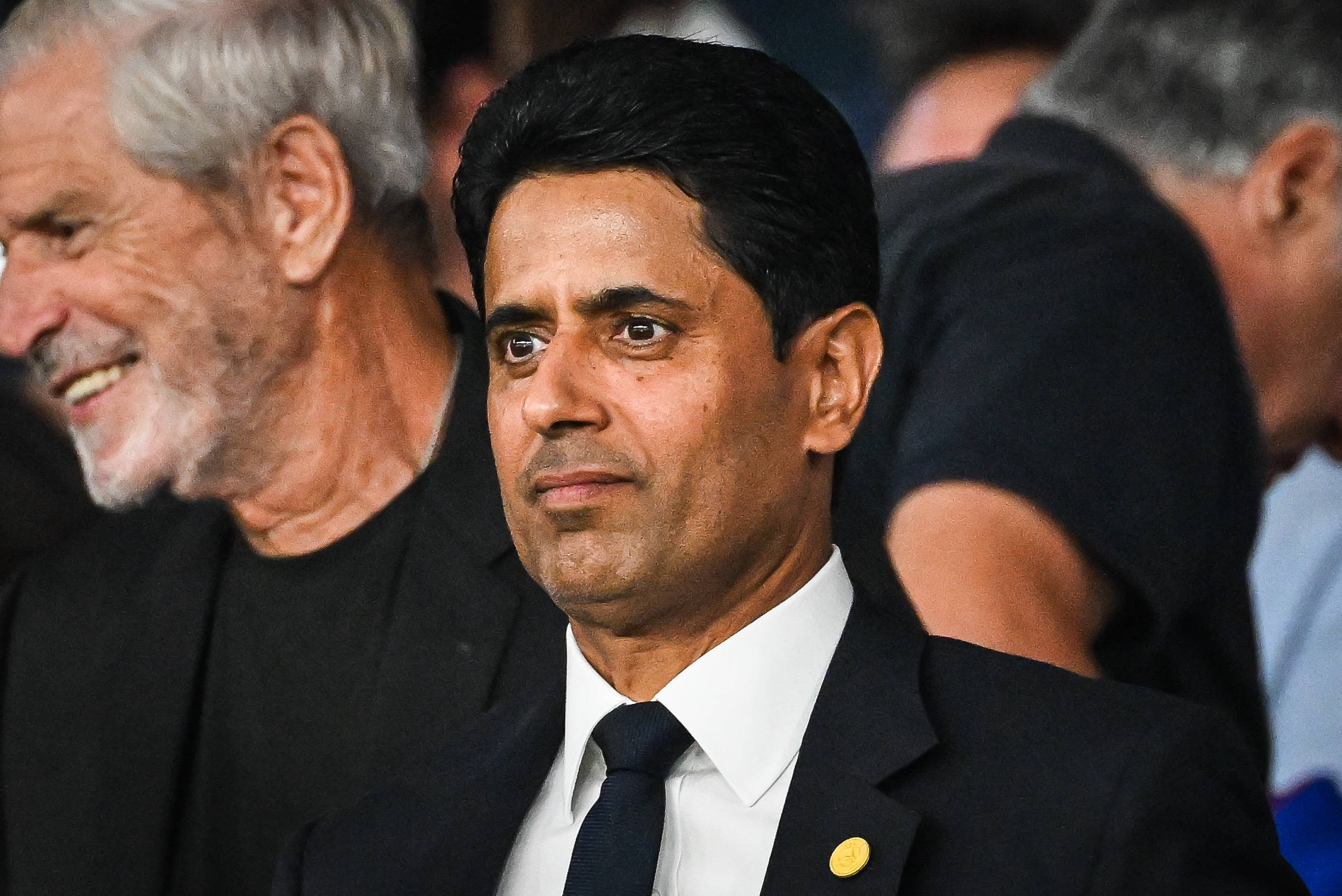
European Football Clubs chairman Nasser Al-Khelaifi has unveiled a blueprint for a proposed global representative organisation for clubs, pitching it as “World Football Clubs” and positioning it as a permanent counterweight to football’s current centre of power.
Speaking in the latest public push by EFC to move beyond its European base, the Qatari-linked executive argued that modern club football is global in players, coaches, ownership, commercial partners and fanbases—while still rooted in local communities. He suggested supporters now follow clubs across continents, making a single worldwide club institution a logical next step.
European Football Clubs chairman Nasser Al-Khelaifi, said:
"EFC has become a global network and platform for clubs to connect to anyone. We create benefits for clubs inside and outside of Europe,"
"That is why now is the time to create World Football Clubs. Because every club around the world deserves to be represented; to have a voice, and a better chance to succeed."
The plan’s exact legal form, governance details, membership criteria and timetable were not spelt out. Al-Khelaifi also did not specify what powers the new body would seek inside FIFA, but the message was clear: clubs want a seat at the table that better reflects their influence.
EFC growth and major returns
EFC, formerly known as the European Club Association, said its membership has risen from 247 clubs in 2021 to more than 900 across 55 countries, with an ambition to reach 1,000. As part of the latest update, Barcelona have returned to the organisation, while Real Madrid are described as being in the process of returning. Those changes matter because EFC and UEFA have spent years trying to steady relations with clubs after governance disputes, including the fallout that followed the European Super League. Al-Khelaifi framed the reintegration of major clubs as evidence that the European elite is again coalescing around a shared representative structure.
Alongside the global clubs pitch, Al-Khelaifi delivered what appeared to be a coded message about football’s wider governance tensions. He made repeated contrasts between the strains of wider stakeholder relationships and EFC’s “most important and trusted partner” relationship with UEFA. EFC also highlighted its joint venture with UEFA, UC3, claiming it is designed to generate more than 20 billion euros over the next four-year cycle, with portions earmarked for clubs outside European competitions, plus youth and women’s football. The organisation said it distributed 233 million euros to 901 clubs for releasing players for UEFA national-team competitions between 2020 and 2024.
In addition, Al-Khelaifi said proposed governance reforms would give every EFC member a direct say on major decisions and enable members to represent the organisation on UEFA, FIFA and other committees—while guaranteeing female representation across EFC’s subdivisions. FIFA did not immediately respond in the reporting that followed the speech.
If “World Football Clubs” progresses from concept to structure, it could reshape how clubs negotiate priorities with both FIFA and UEFA—particularly around representation, distribution mechanisms and the politics of international calendars. For fans, the headline impact would be indirect but tangible: more formal club influence over decisions that affect player availability, youth pathways and the broader direction of the men’s and women’s game.