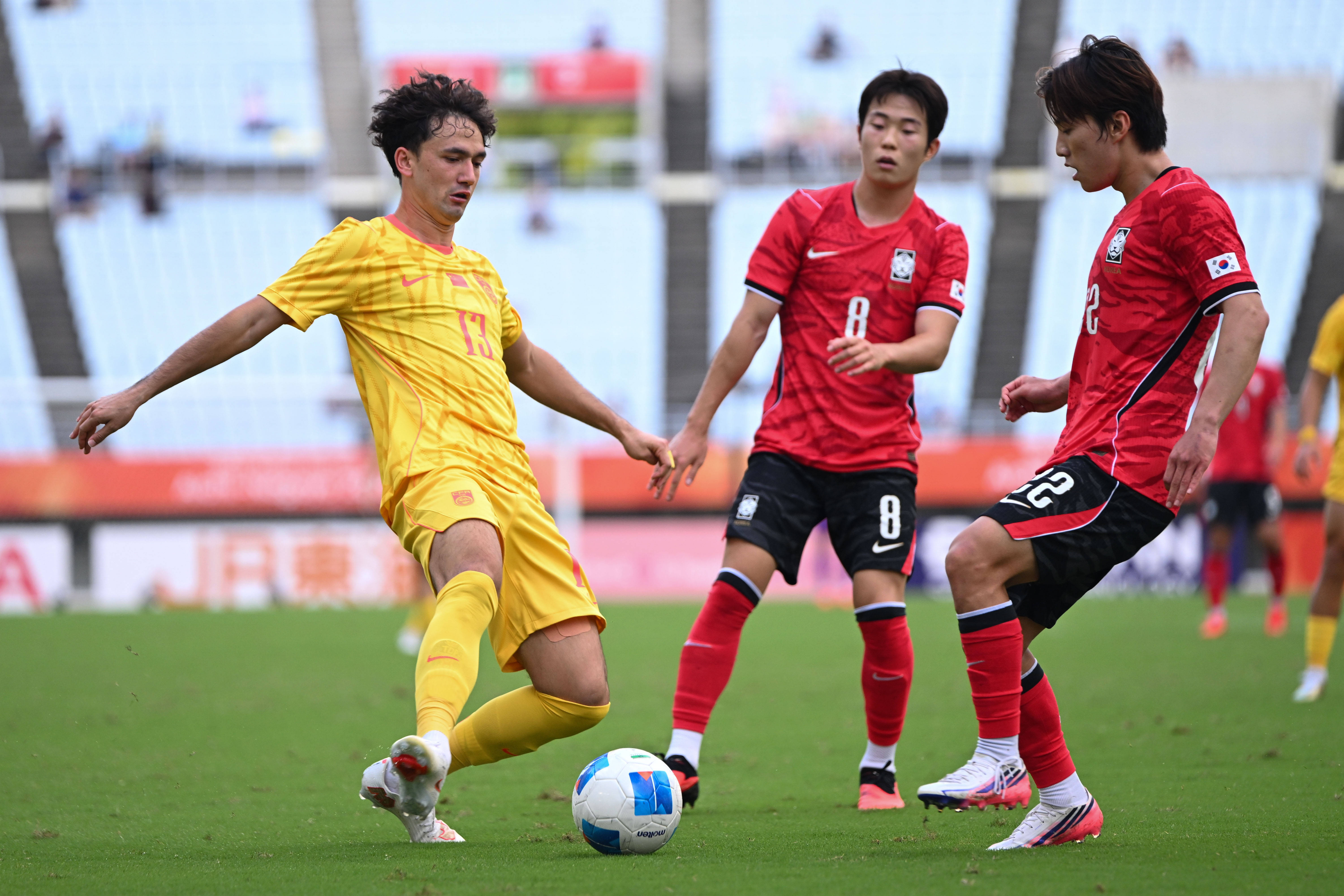
South Korea is planning to review the military exemptions it grants athletes after a backlash over celebrations following the Asian Games.
The controversy erupted after South Korea’s men’s football team won gold against hosts Japan, with captain Lee Gi-hyuk among players criticised at home for remarks made while celebrating the service exemption that comes with medal success. Lee later apologised, but the incident has triggered fresh political pressure on the exemption system. Culture, Sports and Tourism minister Choi Hwi-young said the captain’s comments were ‘utterly immature’ and that the long-running system—now in place for more than 50 years—‘will inevitably have to be scaled back’.
Culture, Sports and Tourism minister Choi Hwi-young said, said:
"It is true that the system has contributed to helping outstanding artists and athletes maintain and develop their abilities,"
"However, the values attached to fairness and public perceptions of military service have changed. I agree that the system should be comprehensively reviewed once again."
For South Korean men, compulsory active military service runs between 18 and 21 months and is typically completed before the age of 28. The exemption system for athletes is designed to reduce the service burden: Asian Games gold medallists and Olympic medallists who place third or better can qualify for an exemption that replaces full basic training with a shorter programme lasting less than a month.
Choi’s comments suggest the government is considering tightening eligibility and/or reducing how widely exemptions are awarded, although no specific new rules have been confirmed yet.
Claims over fairness and concentration of benefits
Opposition figures have argued the current approach creates an unfair imbalance across sports. Democratic Party of Korea lawmaker Cho Kye-won questioned why football and baseball dominate the beneficiaries.
Cho pointed to figures indicating more than 80% of exemption recipients from the latest qualification window were tied to the Asian Games, with 36 of 44 places going to football and baseball. The criticism also reflects a wider debate: some argue that winning a world title in other sports is harder to achieve than Asian Games success, yet athletes outside those competitions do not receive equivalent military service benefits.
While the decision is currently framed as a review rather than an immediate change, the message from Choi signals that South Korean elite sports planning could be affected—particularly for footballers targeting Asian Games selection and medal pathways.
With the government now publicly open to scaling back the scheme, athletes, clubs and national federations will be watching closely for guidance on what future qualifying events and medal positions could deliver, and whether any restrictions could be introduced for teams such as the men’s football side.