Near-capacity football is becoming the norm in the Premier League, with matchweek 10 delivering another near-full set of crowds. Across ten fixtures, 414,471 fans entered stadiums, leaving just 6,945 seats unused. The resulting average occupancy of 98.29% underlines how rarely grounds drop below “sell-out” territory at this stage of the season. Every ground cleared 95% occupancy during the matchweek, and three stadiums pushed beyond the 99% mark.
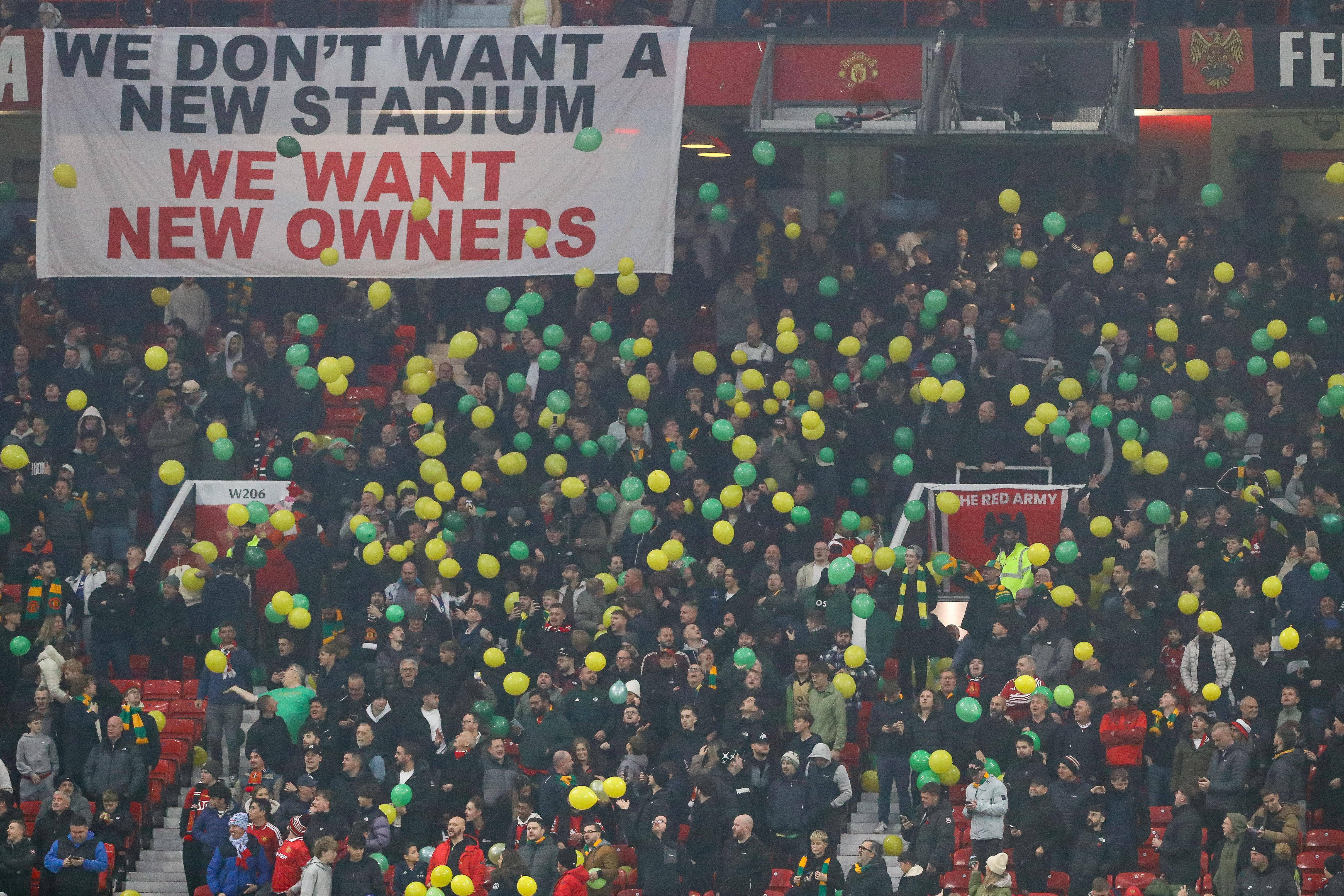
Old Trafford provided one of the clearest examples of that unwavering turnout. Manchester United attracted 74,149 spectators, filling 99.03% of capacity for their matchday outing. The Emirates also stayed close to maximum, with Arsenal reaching 99.31% occupancy as 60,285 supporters watched their home game.
At the other end of the occupancy scale, Sunderland recorded the lowest percentage of the week. The Stadium of Light took 46,388 fans for a 1-0 win, at 95.24% capacity—still comfortably above the league’s “full house” benchmark, even if it trailed the pack.
Other grounds also featured heavily filled terraces and stands. Everton’s match drew 52,395 supporters (99.29%), while Brighton & Hove Albion recorded 31,629 (98%-plus occupancy) for their home outing.
Consistent crowds, shifting football stories
What makes Premier League matchweek 10 notable isn’t just that fans turned out—it’s how consistent the figures remain. The overall pattern suggests that, regardless of form swings, supporters continue to treat Premier League fixtures as must-attend events.
For clubs, that steady attendance has a practical impact beyond atmosphere. High occupancy levels mean dependable matchday revenue and stronger home presence, particularly during periods when team performances can feel less settled.
Looking ahead, the league’s continued run of near-full crowds will be a reminder to every club: while results may define headlines, demand for Premier League football is still driving packed stands week after week.