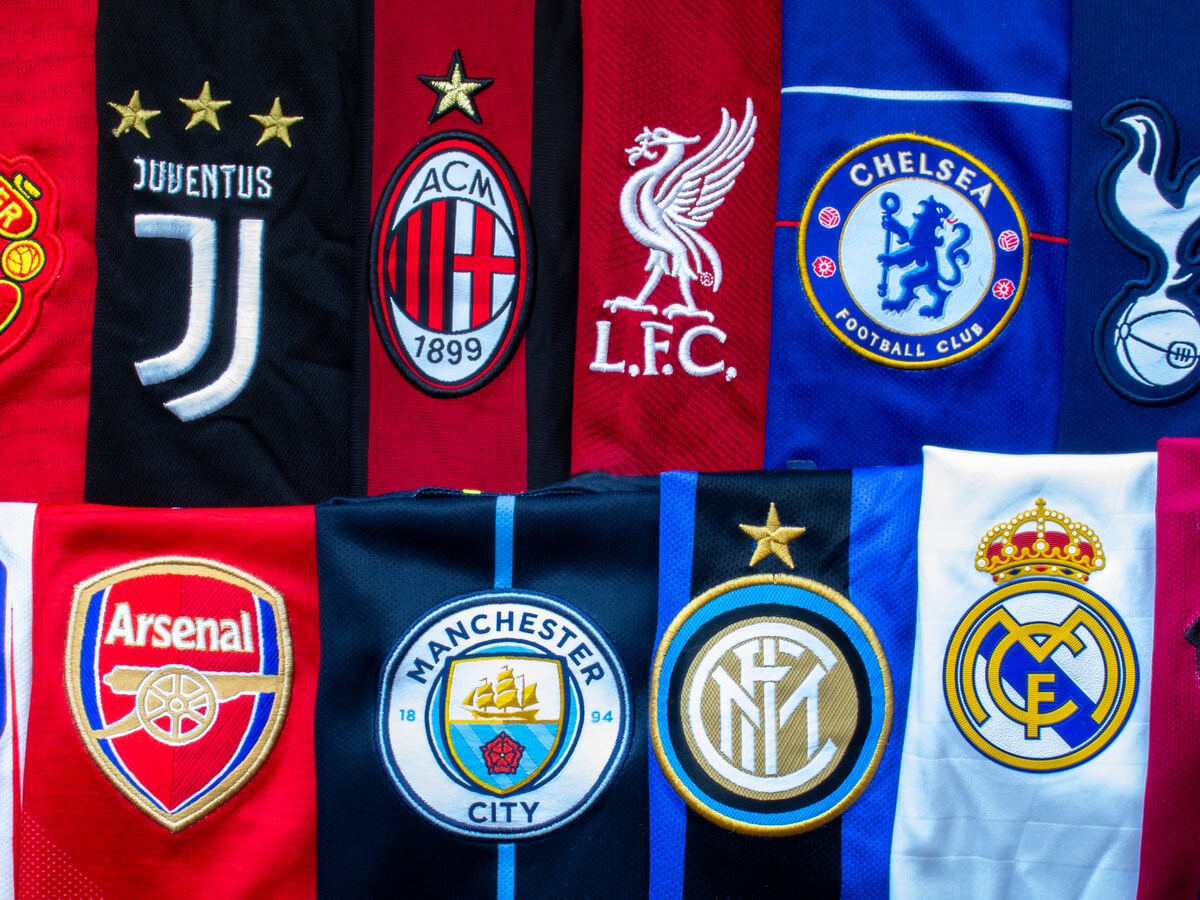
Recent changes in football sponsorship rules have sparked debate about whether gaming companies are starting to step back from sport altogether. The Premier League’s decision to remove gambling brands from the front of shirts from the 2026/27 season has been interpreted by some as the beginning of a wider withdrawal. In reality, this shift is less about retreating and more about repositioning.
Why sport still matters to gaming brands
Sport remains one of the most effective environments for long-term brand building. Live events deliver repeat exposure, emotional engagement, and loyalty in a way few other marketing channels can replicate. Supporters do not simply watch sport; they follow clubs daily, engage on social media, and consume content year-round.
For gaming companies operating in increasingly competitive markets, this sustained engagement is invaluable. Even as sponsorship formats evolve, sport continues to offer scale and credibility that standalone digital advertising struggles to match.
The front-of-shirt ban changes the approach, not the outcome
The removal of gambling branding from the front of shirts in the Premier League has undoubtedly altered the sponsorship landscape. However, it does not represent a blanket ban on gaming partnerships. Clubs still offer a wide range of commercial assets, from sleeve sponsorships to digital activations.
What has changed is the reliance on a single, dominant asset. Sponsors are now encouraged to think more creatively, combining multiple placements to maintain visibility across a season.
Sleeve sponsorships step into the spotlight
Sleeve sponsorships have rapidly gained importance as broadcast production increasingly focuses on close-up shots, goal celebrations, and player interviews. What was once seen as a secondary placement now offers consistent on-screen exposure.
For gaming companies, sleeves provide a strong visual association with clubs while avoiding the controversy attached to the shirt front. As demand grows, these assets are becoming more competitive, with clubs packaging them alongside content and social media opportunities to maximise value.
Digital activations are where momentum is building
Beyond physical branding, digital activation is now central to modern sponsorship strategies. Football clubs operate as global content platforms, producing matchday clips, behind-the-scenes footage, and interactive fan experiences across multiple channels.
Gaming sponsors are increasingly embedded within this content ecosystem through branded videos, fan competitions, data-driven features, and international-facing campaigns. With flexibility, targeting, and measurable engagement all in play, online casinos will find these opportunities difficult to ignore, particularly as digital reach becomes just as valuable as traditional kit exposure.
Other sports continue to offer strong alternatives
Football is not the only option for gaming sponsors. Darts, motorsport, combat sports, esports and cricket all continue to attract gaming investment, offering highly engaged audiences and fewer restrictions around sponsorship formats.
By spreading activity across multiple sports, gaming companies can maintain year-round visibility while reducing reliance on any single league or asset.
Gaming companies are not pulling back from sports sponsorship; they are adapting to a changing environment. As headline placements evolve, alternative opportunities through sleeves, digital activations and other sports are becoming increasingly important. The brands that succeed will be those that embrace flexibility and creativity, viewing sponsorship as a dynamic platform rather than a fixed formula, while continuing to align themselves with the passion, loyalty, and global reach that sport uniquely provides.
For clubs, this evolution should prompt smarter packaging of assets and better storytelling; for sponsors, it is a chance to prove value through engagement, not just visibility.