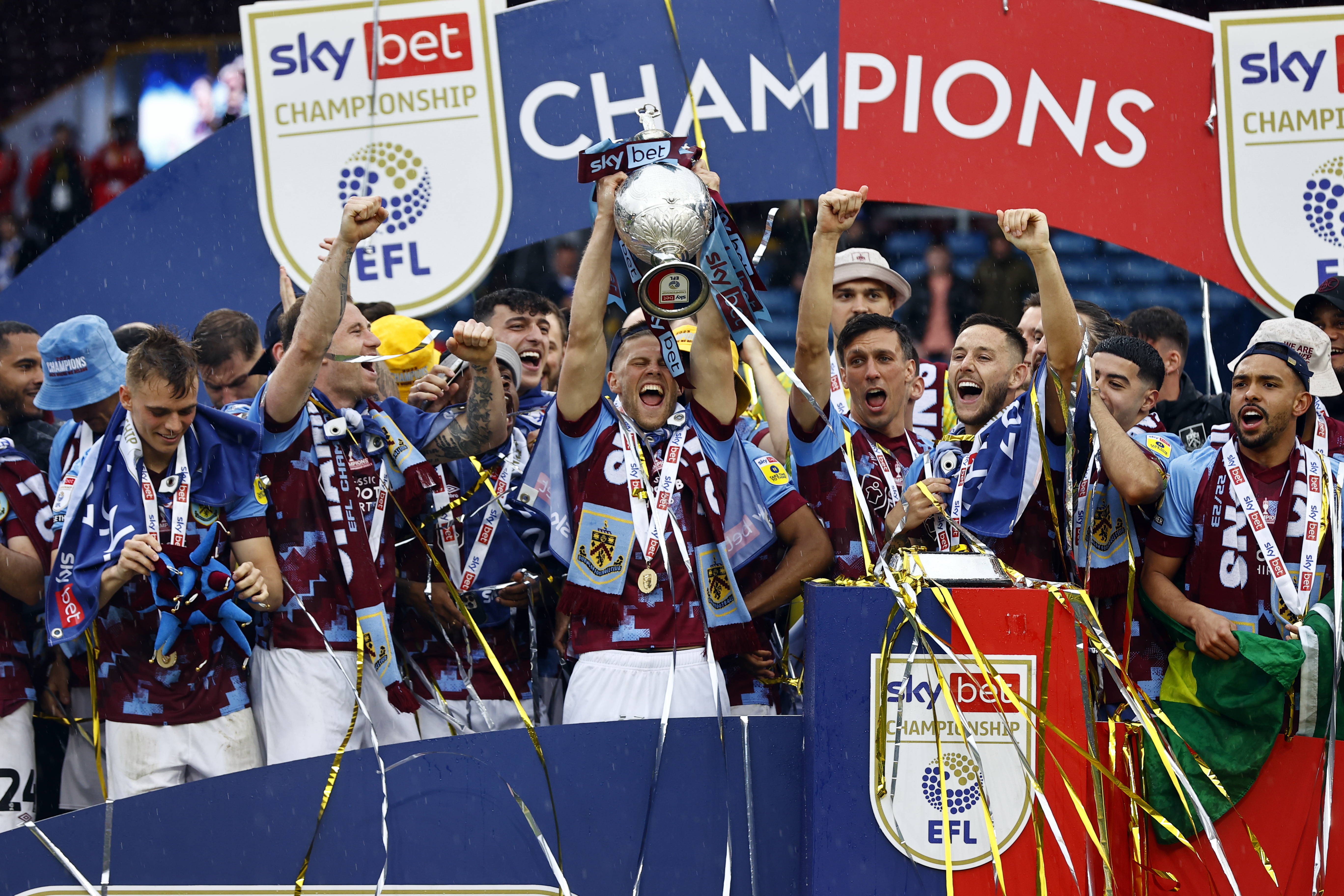
The English Football League and the Premier League remain locked in talks over the next distribution settlement for the wider pyramid, with the latest reporting suggesting they are still £27m-a-year apart on solidarity funding. The EFL is understood to be pushing for £207m-a-year over five years, while the Premier League’s figure is about £180m-a-year, with both sides still negotiating the details.
The Premier League’s latest push follows a formal step earlier in the summer: on Thursday, 30 July 2026, Premier League clubs unanimously voted to approve a funded proposal for a new strategic partnership with the EFL, starting in season 2026/27, before formally offering it to the EFL for consideration. On Monday, 6 October, the chairs and chief executives of the Premier League, EFL and Independent Football Regulator met to try to push the discussions forward “within the coming days”. Sky News reported that the EFL was due to hold further divisional meetings with clubs, with the lower leagues’ board set to meet again to decide whether to back the Premier League’s latest proposal.
Duration is another sticking point. Sky News said the EFL wants a five-year term, while the Premier League’s earlier structure was for 10 years—though compromise on length was seen as possible. As well as extra payments, the Premier League proposal being discussed has also included a “lifeboat fund” for lower-league clubs in financial distress, plus changes around parachute payments and a pot of money for infrastructure investment at the EFL’s 72 clubs.
Regulator report raises the stakes for any delay
Tuesday, 13 October 2026 marks the release of the Independent Football Regulator’s first State of the Game report. The Football Supporters’ Association and wider media coverage described it as a damning snapshot of financial sustainability across the pyramid, including a finding that 94% of the top 116 clubs are loss-making.
Crucially for the distribution debate, the report’s annex analysis shows how steep relegation drops can be. For clubs relegated from the Premier League to the Championship in 2024/25, the IFR estimated average total revenue fell by £70m (42%), including a £55m reduction in broadcast revenue—despite wage cost reductions.
The wider message is simple: if the “cliff edges” are the problem, the funding mechanism is part of the remedy. The EFL’s early reaction to the draft conclusions, shared via a club statement, said the regulator’s initial findings reflected long-standing concerns about disproportionate revenue distribution and financial cliff edges.
What the backstop would change
Under the Football Governance Act framework, either league can request the Independent Football Regulator to step in if no distribution agreement is in place, and mediation runs for 28 days before a final proposal stage. Following that, the IFR can make a legally enforceable order.
Sky News also reported that the IFR chair, David Kogan, has previously described use of the backstop as an “utter failure” by football’s power-brokers—yet the threat of it is now less abstract as the State of the Game findings land.